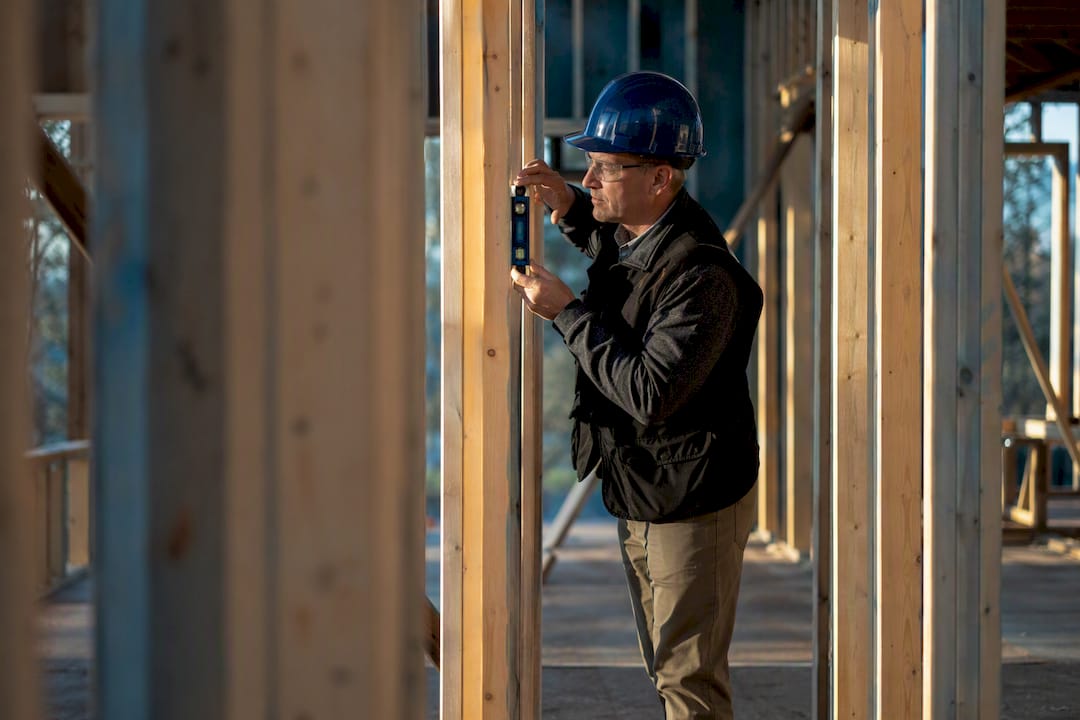
Most conventional construction lenders want a minimum FICO score near 680, with 720+ needed for the best pricing, plus 20–25% down and six to twelve months of reserves in the bank. Beyond your numbers, the single biggest underwriting requirement is a complete project package: approved plans, an itemized budget, a licensed and insured builder, and contingency reserves for cost overruns. Meet those, and you clear the first hurdle most applicants stumble on.
TL;DR:
- Conventional construction loans typically require a minimum FICO score of 680, with better rates available for scores above 720, and demand 20–25% down payments.
- The approval process depends heavily on a complete project package, including approved plans, a detailed budget, licensed builder, and contingency funds; incomplete documentation is a common cause of delays.
- Construction-to-permanent loans are preferred for owner-occupants because they allow one closing and convert automatically into a mortgage once construction finishes.
- Builder vetting involves verifying insurance, licensing, references, and prior project experience, with stricter requirements for newer builders or unfamiliar lenders.
- Approval times range from 30 to 60 days, with delays often caused by outdated documents, permits, or lapses in insurance, and approvals depend on a solid project plan and financial documentation.
Not every construction loan works the same way, and picking the wrong structure for your project is one of the fastest ways to waste weeks on the wrong application.
Your credit score sets the tone for everything else in your file. Conventional construction-to-permanent lenders generally look for a 680 FICO floor, with 720 or higher unlocking meaningfully better pricing on your rate and fees. FHA, VA, and USDA programs allow more flexibility on credit, but participating lenders for these construction products are limited, so approval isn’t automatic just because you qualify on paper.
Pro Tip: Pull your credit report at least 90 days before you plan to apply. Disputing an error or paying down a card takes time to reflect in your score, and construction underwriters rarely offer flexibility on last-minute fixes.
Most conventional construction lenders cap debt-to-income around 43%, want 20–25% down, and expect six to twelve months of PITI in liquid reserves before they’ll approve a build.
Here’s how lenders typically evaluate your file, in order:
Owned land can work in your favor here. If you already hold the lot free and clear, its appraised value often counts toward your down payment, which can shrink the cash you need at closing.
Construction lenders underwrite the project almost as closely as they underwrite you. Your plans and specifications need to show enough detail for an appraiser to value the finished home. That means room-by-room layouts, material selections, and mechanical systems, not a rough sketch. Your budget has to break costs into phases, foundation, framing, roofing, finishes, with line items an underwriter can compare against local cost benchmarks.
Your builder gets vetted almost as thoroughly as you do:
Pro Tip: If your builder is newer or hasn’t worked with your lender before, expect the lender to request a performance bond or hold higher retainage on draws. Ask about this upfront rather than discovering it mid-underwriting.
Every construction loan runs on paperwork and site visits, and the underwriting process weighs project feasibility alongside your personal finances. Your document checklist should include:
Appraisers use an as-completed valuation, meaning they base your loan-to-value on the home’s projected finished worth, not its current dirt-lot value. Once the build wraps, some lenders require a Form 1004D completion report or a second appraisal to confirm the work matches the original plans before releasing final funds.
Draws get released in stages, and each one typically triggers a third-party inspection costing $100 to $250, usually paid by the borrower. Lenders also expect a contingency reserve of a modest percentage of total construction costs sitting untouched, in case of overruns.
Expect 30 to 60 days from application to closing on a standard construction-to-permanent loan, assuming your documents are clean. Delays almost always trace back to the same culprits: outdated bank statements, a permit that hasn’t cleared the county yet, or an insurance certificate that lapsed between application and closing.

Underwriters often attach conditions before releasing funds, refreshed pay stubs, a final permit copy, or an updated builder’s insurance certificate. For multifamily or rental construction, lenders lean heavily on your project pro forma and debt service coverage ratio, typically wanting a DSCR between 1.2 and 1.6 before approving funding.
On C2P loans, conversion to your permanent mortgage happens once you receive a certificate of occupancy and pass the final inspection. Also worth watching: the 2026 conforming loan limit sits at $832,750 for a single unit, rising to $1,249,125 in high-cost areas. Cross that threshold, and you’re now underwritten as a jumbo construction loan with tighter credit and reserve standards.
SBA financing rarely funds ground-up residential construction directly, but it plays a role in small-business commercial builds, think a medical office, a retail buildout, or a light-industrial facility, through the SBA 504 program’s fixed-asset financing structure. Eligibility hinges on business use, owner-occupancy of the finished property, and job-creation or community-development criteria.
FHA, VA, and USDA one-time-close construction loans offer a real advantage for owner-occupants: lower down payments, and for eligible VA borrowers, no down payment at all. The tradeoff is availability. Not every lender offers these products, so confirm local participation before you build a timeline around one.
A few moves in the weeks before you apply can change how your file reads to an underwriter:
Pro Tip: If your project involves unusual specs, a non-owner-occupant scenario, or a tight timeline, a specialized construction or private lender can often move faster than a conventional bank that treats every file the same way.
For ground-up construction that doesn’t fit a conventional lender’s checklist, tight timeline, non-owner-occupant investment, or an unconventional property, A specialized private lender can close loans in days rather than months, underwriting both the project and the borrower’s numbers directly. Before you apply, have your plans, contractor contract, and budget ready; that alone speeds up a decision.

The files that stall almost always have the same gap: a builder without verifiable insurance, or a budget missing line items an appraiser can’t tie to the plans. Keep your draw schedule realistic and your inspector’s contact information handy. For nonstandard projects, private lending often beats waiting on a conventional underwriter who’s never seen your scenario before.
— Daly Kay DiNatale
If a conventional lender’s timeline or rigid checklist doesn’t match your project, Capitalfunding offers a faster path built specifically for real estate investors and developers. Our ground-up construction program closes on projects that stricter bank underwriting often turns away, including higher-value builds and non-owner-occupant scenarios.
Before reaching out, gather your stamped plans, itemized budget, signed builder contract, and proof of funds for your down payment and reserves, that package alone can shave days off a decision. If your project needs bridge capital while your construction loan closes, our hard money and bridge loan program covers that gap too. Ready to see where your project stands? Request a quote through our construction lending services and get a direct answer, not a runaround.
This article is general information, not a substitute for advice from a qualified financial advisor. Consult a qualified financial professional about your own circumstances before acting on anything here.
During construction, most loans charge interest only on funds actually disbursed, so your payment rises as each draw is released rather than starting at a full principal-and-interest amount from day one.
Most conventional construction-to-permanent loans require 20–25% down, though FHA, VA, and USDA one-time-close programs allow significantly lower down payments, including zero down for eligible VA borrowers.
It depends on your existing debt load, since lenders cap total debt-to-income near 43–45%; a borrower with minimal other debt generally needs less income than one carrying car payments or student loans.
Construction loans carry stricter underwriting than a standard purchase mortgage because lenders evaluate both your finances and the project itself, but a complete package, approved plans, a vetted builder, and documented reserves, clears most of the friction. Borrowers with nonstandard projects sometimes find a direct lender like Capitalfunding faster than a conventional bank.
